
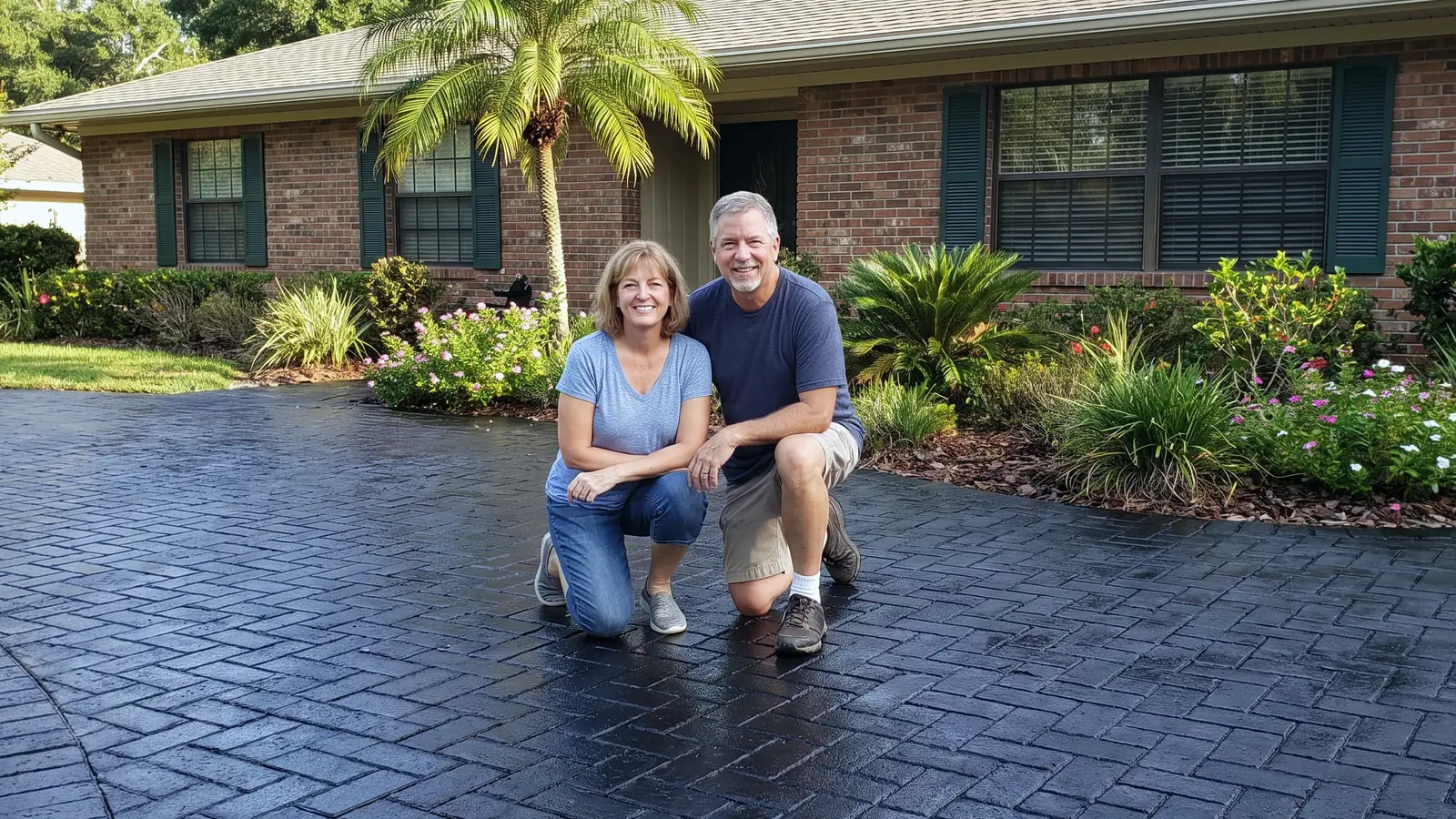
Paver sealing for Tarpon Springs homes
Paver Sealing in Tarpon Springs, FL
Tarpon Springs pavers sit beside bayous and Victorian streets, so call (656) 254-5347 for a free sealing estimate.
- Brings out deeper paver color
- Fresh joint sand helps lock pavers in place
- Gives weeds less room to grow
- Makes the surface easier to keep clean
- Free estimate, no obligation
Request a Free Estimate
Free, no obligation.
Fast, careful paver sealing in Tarpon Springs
Looking for paver sealing in Tarpon Springs? A local contractor will see your driveway, walk, patio or pool deck for free, then quote the work. Replies arrive within 1 business day, usually much sooner, so send the short estimate form.
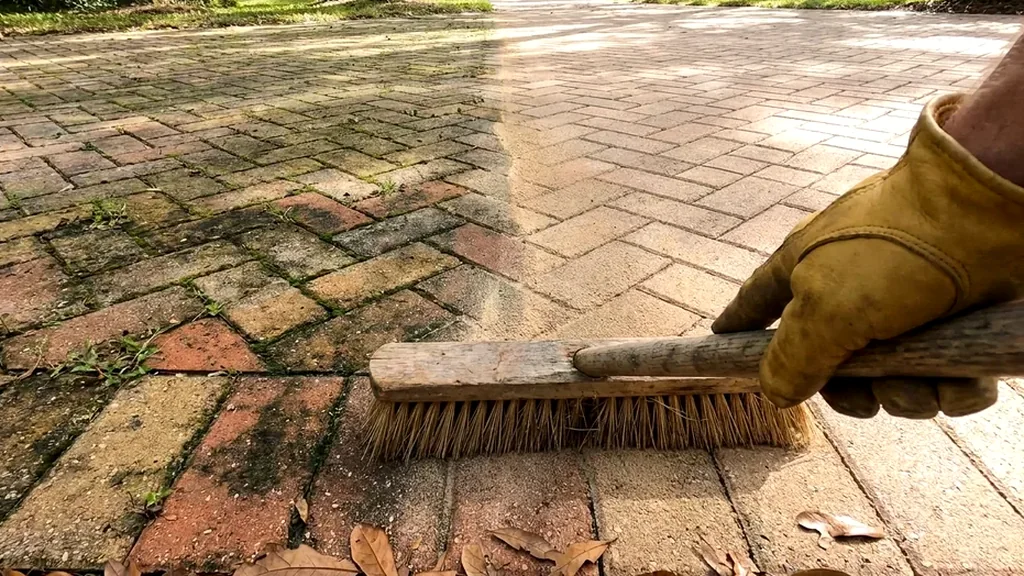
Picture brick pavers that were warm red once and now look streaked and gray after a damp summer. A thorough wash, new sand and a coat can bring the warmth back and tidy the seams. Prefer a voice? Call (656) 254-5347.
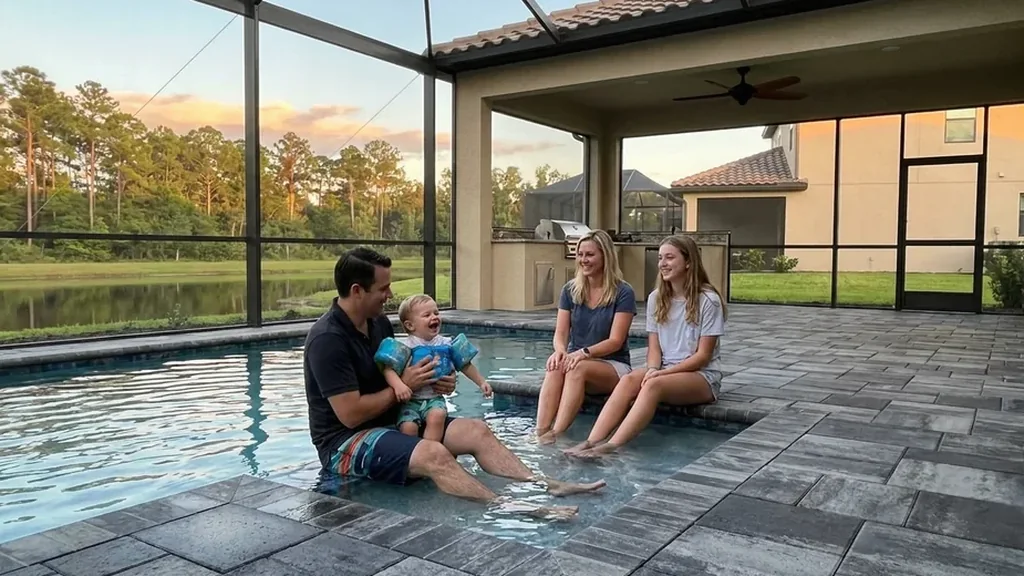
Why hire a local paver sealing contractor in Tarpon Springs?
Bayous, Victorian streets and Gulf air all sit within a few miles here, and each treats paving differently. A local contractor knows the differences, so send the short estimate form to hear the plan.
Care near old houses
Rinse water is kept off Victorian siding, soft brick and painted steps in the historic district.
Free look, firm price
A contractor examines your Tarpon Springs paving free of charge and prices it before work is agreed.
Bayou-damp know-how
Pavers near Spring Bayou get extra drying time, since shade there holds moisture.
Your call alone
No obligation comes with the estimate, and replies arrive within 1 business day.
Get Your Free Estimate in Tarpon Springs
Tell us about your pavers in Tarpon Springs.
Free, no obligation
What paver problems show up most in Tarpon Springs?
Damp pavers near the bayous
Settlers came to a region of bayous feeding the Gulf, and Tarpon Springs streets still wind around the water. A Tarpon Springs paver company says summer brings daily storms and high humidity, so pavers rarely dry through. Landscape Ontario notes that algae and moss grow on pavers that stay damp and shaded. Green film is the usual result, and it must be washed off before any sealer goes down. Pavers under tree cover or beside a bayou are the usual trouble spots, while open driveways stay cleaner. If your walkway feels slick in the morning, that is often the same film. Mention it, because it tells the contractor how much washing to plan for. A walk that feels slick in the morning is usually the same film. Mention it at the estimate, because it tells the contractor how much washing to plan. Pavers in the shade of a house or a tree are the usual trouble spots. Wikipedia notes that summers here are hot and humid, with frequent afternoon thunderstorms, and those storms keep shaded spots damp. The Sponge Docks and Spring Bayou are a short drive apart, yet they feel different underfoot. Docks mean salt, boats and open sun, and the bayou means shade and still water. Many Tarpon Springs lots sit somewhere between, which is why the first visit includes questions about both. Tell the contractor where your nearest water is. Spring Bayou takes its name from a freshwater spring, and the manatees that gather there in winter are a reminder that this is warm, wet country. Craig Park sits at the southern tip of the bayou, and shade around it keeps nearby pavers damp for long stretches.
Salt and humidity near the Gulf
The same Tarpon Springs company says that on the coast, bad timing lets salt or humidity undo a seal in a single season. Homes close to the Anclote River, the Sponge Docks or the Gulf see the most of it. A clean rinse before sealing matters on those lots. Sealer applied over salt film locks the film in. A coat that looks fine in spring can turn cloudy by fall when that happens. Ask the contractor how the rinse will be done on your lot, and whether any extra step is planned near the water. Homes near the Anclote River, the Sponge Docks and the Gulf see the most salt. The Sponge Docks sit on the river, and boat tours leave from there for Anclote Key, three miles offshore. A rinse before sealing is routine on those lots. Pavers on a boat-trailer apron or a dock-side patio see the heaviest dose. Wikipedia puts the yearly rainfall near 50 inches and says freezing temperatures are infrequent. Warm winters mean growth never fully stops, and algae can return in any month if the stone stays wet. A sealed surface rinses clean more easily, which keeps later maintenance light. Greek immigrants built the sponge industry here, and many homes and shops sit close to the water. Boat trailers, fishing gear and daily hosing leave their own marks. Oil and rust spots from trailers are common on driveways, and the wash handles them.
Older houses with older edges
The Tarpon Springs Historic District holds 145 historic buildings, and Florida Rambler notes many Victorian houses there. Pavers beside old wood siding, brick steps or porch skirts need gentle handling. Rinse water should be steered away from those surfaces. Tell the contractor what your house is built from, since that changes how the wash is done. Rinse pressure and cleaner choice both matter beside old wood and soft brick. A careful contractor tests a small spot first and keeps overspray off paint. That extra care is easy to ask for. The Tarpon Springs Historic District covers about 700 acres and was listed on the National Register of Historic Places in 1990. Soft old brick and painted wood are the things to keep dry and clean. A careful contractor tests a small spot before the full wash. Many older homes in town have brick or stone steps that meet the pavers. The contractor treats that joint with care, using low-pressure rinsing, covers where paint is close, and no harsh cleaners on soft mortar. A small test spot comes first. If your house is in the historic district, mention its age. A Tarpon Springs company advises that coastal sealing is not a whenever job, since timing matters when salt and humidity can undo a seal in a season. That is why the schedule here leans toward the dry months. A careful contractor avoids sealing a damp patio.
Downpours that move the sand
Wikipedia puts annual rainfall near 50 inches, with frequent summer thunderstorms. Hard rain carries sand out of paver joints, and open joints invite weeds. Refilling the sand after a wash is a standard step. It also keeps pavers snug, so walkways do not rock underfoot. Sealer then helps hold that sand in place between storms. Many owners notice fewer weeds the next summer, which saves time with the weed pulling. Rain here also runs across narrow driveways toward the street, and a sandy base shifts under it. Low corners are where edges slump first. A repair before the coat is far cheaper than a redo. Wikipedia adds that summer storms here can bring hail and waterspouts off the Gulf, so a hard rain is not rare. Summer rain in Tarpon Springs often comes in short, heavy bursts, and driveways that slope toward the street lose sand quickly. A driveway that looked fine in May can have thin joints by September. Full joints help. So does a coat, which adds a thin barrier that holds the sand in place. Wikipedia mentions hail and waterspouts among the summer storm risks off the Gulf. A sealed surface will not stop a storm, but it holds the joints in place better than bare sand does.
Rust marks and mixed coats
UF/IFAS says most Florida well water is high in iron, and sprinklers using it leave orange streaks and rust on whatever they touch. Older homes may also carry a coat nobody remembers, and water-based sealer cannot go over solvent-based sealer. The first visit sorts out both. Keep the product name after the job so the next coat matches. A short note with the date and the product name is all you need. Put it somewhere you will find it again in a few years. Keep the product name after the job so the next coat matches. A photo of the label is enough. Old coats are the main reason a repeat job goes wrong. Rust spots from sprinklers are handled at the wash, before any coat is applied. Old coats are common in an older city. If a previous owner used a solvent-based sealer, a water-based product cannot be applied over it. A test spot settles the question in minutes. After your job, note the product name and the date, and keep both with your house records. Pavers around pools here take sun, splash and often sprinkler runoff. Rust marks near sprinkler heads are the usual sign of iron in the water. The wash treats them, and a coat makes new ones easier to clean.
Does a paver job near the Sponge Docks differ from one in the historic district?
It can. Around the Sponge Docks on the Anclote River, the air carries salt and the ground sits near the water, so rinsing gets extra attention. In the historic district the bigger concern is the house itself, with its older siding and brick. The contractor plans for both, so tell them which area you live in when you send the short estimate form.
The historic district covers about 700 acres, between Read Street, Hibiscus Street, Orange Street, Levis Avenue, Lemon Street and Spring Bayou. Inside it are 145 historic buildings and plenty of Victorian houses. Walkways there are often narrow, and gear may have to be carried by hand, which can lengthen a quote. Call (656) 254-5347 and name your street.
Farther out, Fred Howard Park reaches the Gulf by a 1-mile causeway across 155 acres, and the Pinellas Trail starts in Tarpon Springs and runs south through the county. Homes near those routes are often newer and on wider lots. Craig Park sits at the southern tip of Spring Bayou, where shade keeps pavers damp. You can send the short estimate form and share what your lot looks like.
What does paver sealing cost in Tarpon Springs?
Tampa Bay shops publish a range of $1.50 to $2.50 a square foot for washing, sanding and sealing, and a Tarpon Springs bid should land inside it. Where it falls depends on algae, salt film, missing sand and any old coat. To get a number for your property, send the short estimate form.
Narrow walks beside old houses cost extra hours, because gear is carried by hand and rinse water needs steering. Open drives go quicker, and so does a driveway with clear access for a trailer of gear. Phone (656) 254-5347 and the contractor can say which of these will matter before a date is set.
| Paved area | Typical example | Clean, sand and seal |
|---|---|---|
| 300 sq ft | Small patio or walkway | $450 to $750 |
| 600 sq ft | Two car driveway | $900 to $1,500 |
| 1,000 sq ft | Large driveway or pool deck | $1,500 to $2,500 |
| 1,500 sq ft | Driveway plus pool deck | $2,250 to $3,750 |
Math based on the $1.50 to $2.50 per square foot that Tampa Bay paver companies publish. Your contractor sets the actual price after seeing the surface. Repairs, leveling and stripping failed sealer are usually extra.
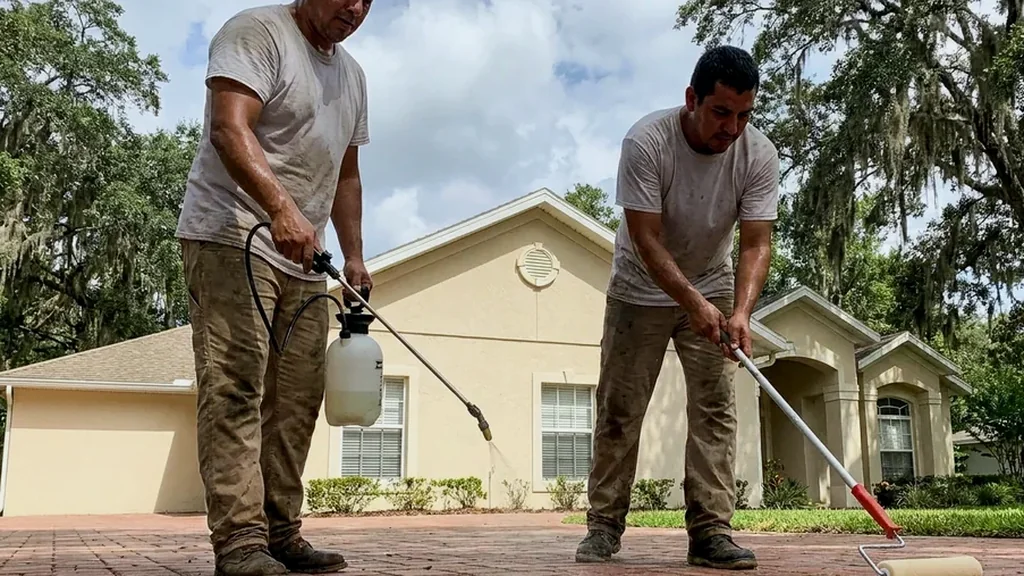
How does a paver sealing job work in Tarpon Springs?
Look at house and stone
The visit starts with how wet the pavers stay, how near the water they sit and what the house is built from. Sunken stones are flagged for repair. A test spot reveals any old sealer type, which matters because water-based cannot go over solvent-based.
Wash out salt and algae
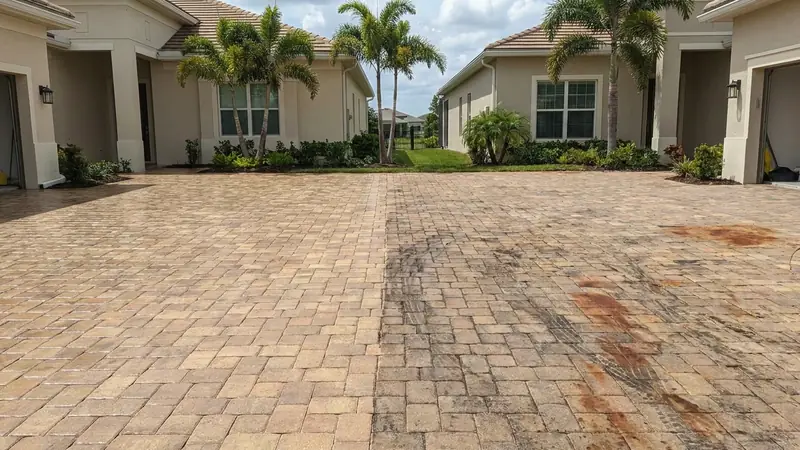
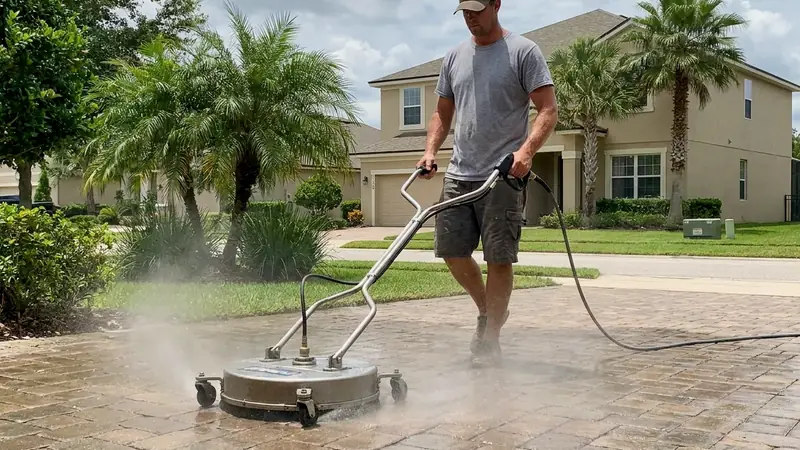
The wash lifts green growth, gray film and salt. Rinse water is steered away from old siding, brick steps and plant beds. Rust spots and oil drips are treated now, since sealer locks in whatever it covers. Anything stubborn is pointed out to you.
Restore the sand
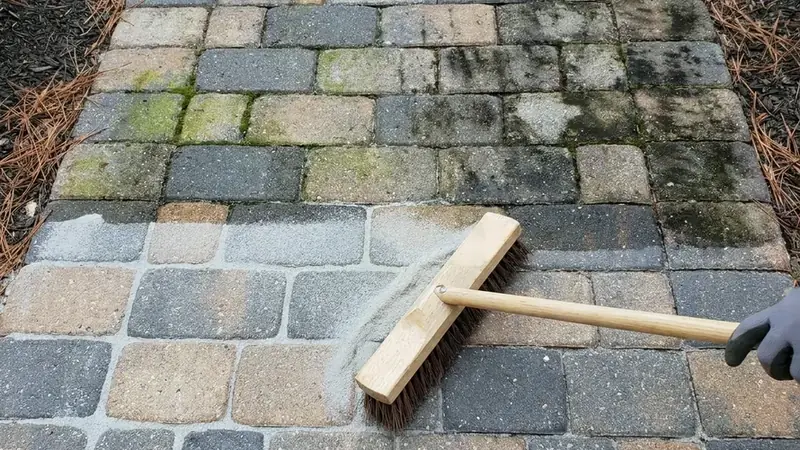
Washing empties the joints, so new sand is packed in before any coating. Full joints keep stones snug and give weeds little room. Historic-district walks may need more sand than a young driveway, and you are told before the work starts.
Pick a dry window
A Tarpon Springs company says late fall and winter is the dry-season window when sealer cures cleanly, while summer brings daily storms. Shaded bayou-side patios take longest to dry. The job waits for a dry window rather than risk a cloudy coat.
Finish and instructions
The sealer is applied in your chosen finish. Matte hides scuffs longer, and wet look deepens color. Going by quotes, a repeat coat comes due after two to five years. You get a stay-off time for feet and cars, which depends on the product and the weather.
Complete paver services in Tarpon Springs
Tarpon Springs sealing follows one order: wash, sand, dry, seal. The sealer locks in what it covers, so the order protects the result. Call (656) 254-5347 to hear how long each step runs on your property.
Walks, drives, patios and pool decks can all be done. Brick is common near older homes, while concrete and travertine show up on newer pool decks. List what you have when you send the short estimate form.
Water-based or solvent-based, matte or wet look: those are the choices. A past coat can narrow them, and a porch walk on a Victorian often looks best in matte. Call (656) 254-5347 to compare options for your home.
Rain sets the calendar, with about 50 inches a year and storms on most summer days. Late fall and winter run drier and let sealer cure cleanly. Shaded spots can still need extra time. For a good week on your street, send the short estimate form.
Questions to ask before you hire
- If I do not like the sheen on a test patch, can we switch products before the full job?
- Can we start with the driveway and add the lanai or the walkway later?
- Who do I call if a spot looks blotchy a week after the job?
- Do you wash at a pressure that keeps the sand in my joints instead of blasting it out?
- Is the sealer you use made for full Florida sun, and will it turn yellow over time?
- How many gallons of sealer will my square footage take, and how many coats go down?
- Do you start early in the day to stay ahead of the afternoon heat and rain?
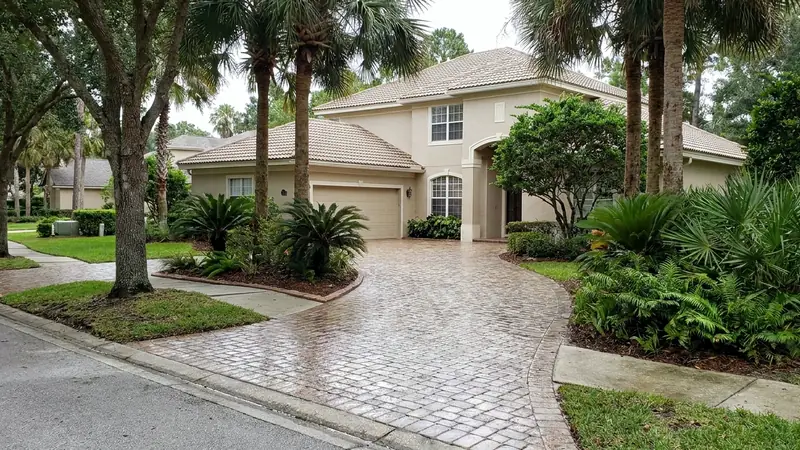
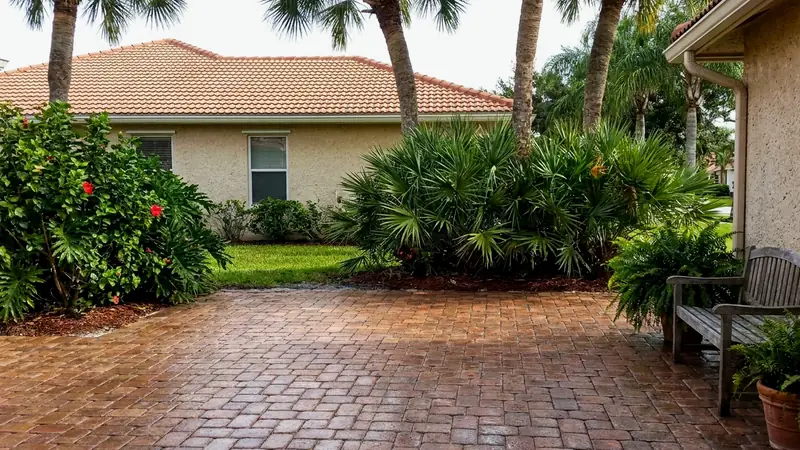
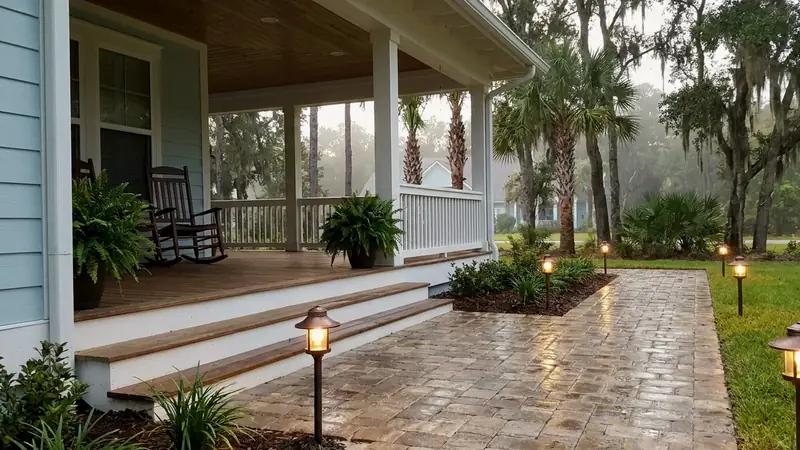
What do sealed pavers look like around Tarpon Springs?
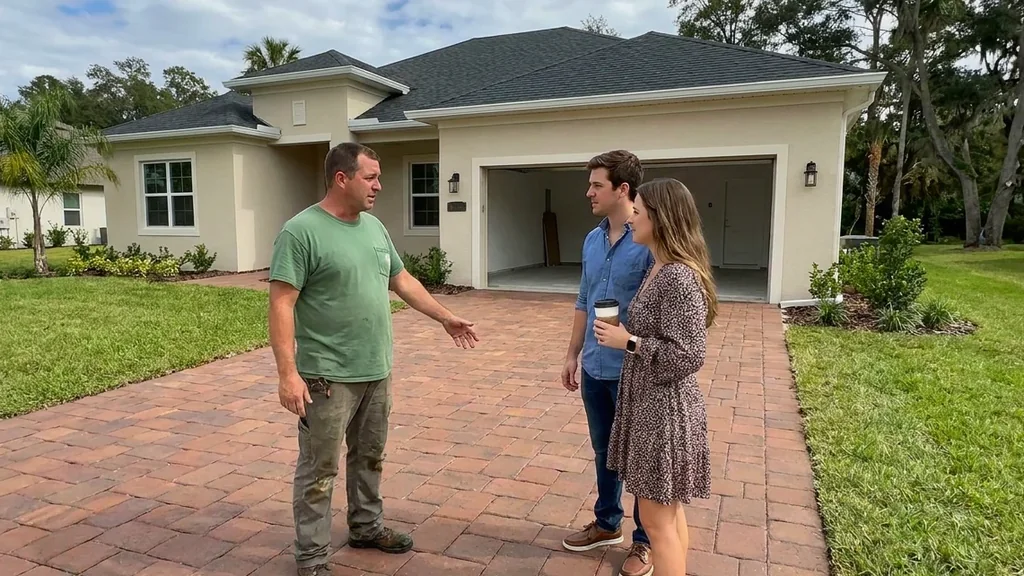
Why local matters in Tarpon Springs
Someone who works Tarpon Springs regularly knows that damp, shade and salt shape most jobs here. They ask how close you are to the water and how much sun the stone sees. Those answers set the wash. To reach a local contractor, call (656) 254-5347.
Older streets bring narrow walks and fussy edges. Careful rinsing, a plan for hauling gear and care around old siding come with experience. send the short estimate form and ask how a contractor would handle your street.
Rain planning counts too. Mornings are favored in the wet season, and a spare day is kept in reserve. That way sealer meets dry stone rather than a surprise storm. Call (656) 254-5347 and ask how the schedule would work around the weather.
What should I know about Tarpon Springs history before I hire a paver contractor?
Tarpon Springs is an old Gulf-coast city, and in 1887 it became the first incorporated city in what is now Pinellas County. The Orange Belt Railway arrived in 1888, and in 1905 John Cocoris brought sponge diving here with divers from Greece. That Greek heritage still shapes the city, and Wikipedia reports a higher share of Greek Americans than any other US city. If you live near the Sponge Docks, call (656) 254-5347.
Today you can walk the Sponge Docks on the Anclote River, or ride a boat from there to Anclote Key and its 1887 lighthouse. Spring Bayou and Craig Park sit inside the historic district, where manatees gather in winter. Fred Howard Park, with its long causeway, covers 155 acres on the Gulf. Near any of these Tarpon Springs places, you can send the short estimate form.
Frequently Asked Questions
What is the average cost to seal pavers in Tarpon Springs?
Tampa Bay companies publish $1.50 to $2.50 a square foot for the wash, the sand and the sealer. A Tarpon Springs total depends on paved area plus algae, salt film and lost sand.
Is it good to seal pavers in Tarpon Springs?
Usually, because sealing protects color and helps keep sand in and weeds out. Damp bayou air, salt and storms are what make it useful here. The estimate is free, so you can weigh the cost first.
Is it better to spray or roll paver sealer?
Crews often spray the sealer, then roll it so it spreads evenly. Product and paver decide the method. Ask how it will go on at your Tarpon Springs property.
Why is paver sealing so expensive?
The price covers the wash, the new sand, drying time and a careful coat, all by the square foot. A bigger layout means a bigger total.
When is a good time to seal pavers in Tarpon Springs?
Late fall and winter are drier, and a Tarpon Springs company calls that the window when sealer cures cleanly. Summer jobs are possible on dry mornings, but storms can push dates.
How long does a coat last near the Gulf?
Companies quote two to five years. Stone near the water or in full sun leans toward the short end, while a covered, shaded patio may last longer. Ask the contractor to check the surface at the estimate.
Does the contractor work in the historic district and near Spring Bayou?
Yes. A local contractor works across Tarpon Springs, including the historic district and the streets around Spring Bayou. Give your street name when you reach out. Narrow historic-district walks are routine work.
How quickly will someone call back in Tarpon Springs?
Replies from a local contractor arrive inside 1 business day, usually well sooner. They set a time to see the pavers, then send a price for the wash, sand and sealer. You can say no at any point.
Nearby areas we serve
Ready for a Free Estimate in Tarpon Springs?
Call (656) 254-5347 and tell us about your pavers.
Free, no obligation