
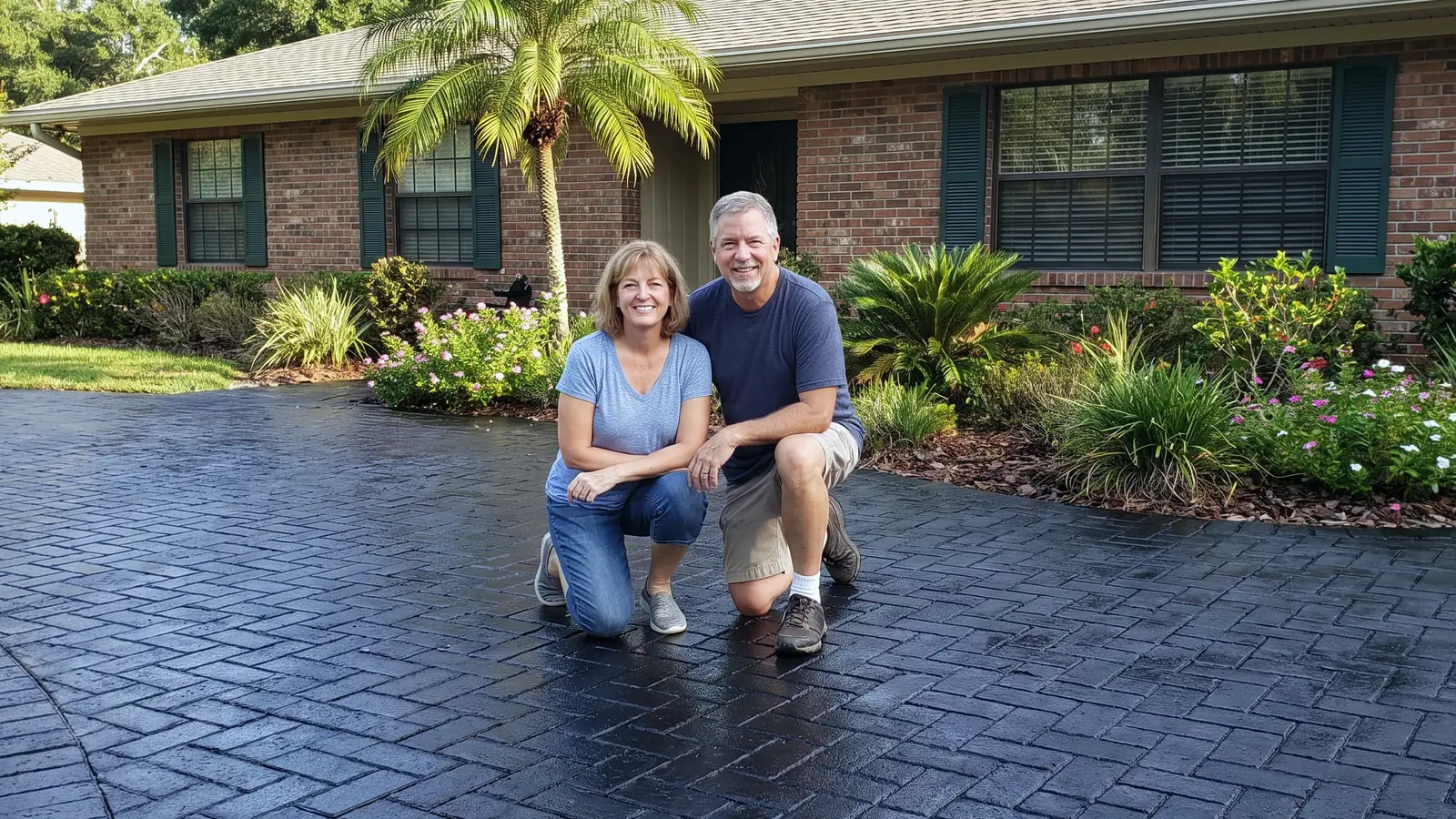
Paver sealing for Keystone homes
Paver Sealing in Keystone, FL
Keystone's lake homes and long driveways can get a free paver sealing estimate when you call (656) 254-5347.
- Brings out deeper paver color
- Fresh joint sand helps lock pavers in place
- Gives weeds less room to grow
- Makes the surface easier to keep clean
- Free estimate, no obligation
Request a Free Estimate
Free, no obligation.
Fast, careful paver sealing in Keystone
Paver sealing in Keystone starts with one call and a free estimate, and a local pro writes back inside 1 business day, usually much sooner. Long drives, pool decks, lanais and walks on lake lots and acre lots are all fair game. Ring (656) 254-5347 and say what you are looking at.
Maybe your drive bends past the oaks and out to the road, and the whole stretch has turned a tired gray. Weeds stand in the seams and the edges look ragged. A good wash, new sand and a fresh coat return one steady color, and you can send the short estimate form to get it moving.
Keystone's 2020 count showed 8,699 households, and about 41 percent of them had children under 18. Family driveways carry bikes, trailers and boat hitches, so the stone takes more than plain car traffic. Call (656) 254-5347 and describe how yours gets used.
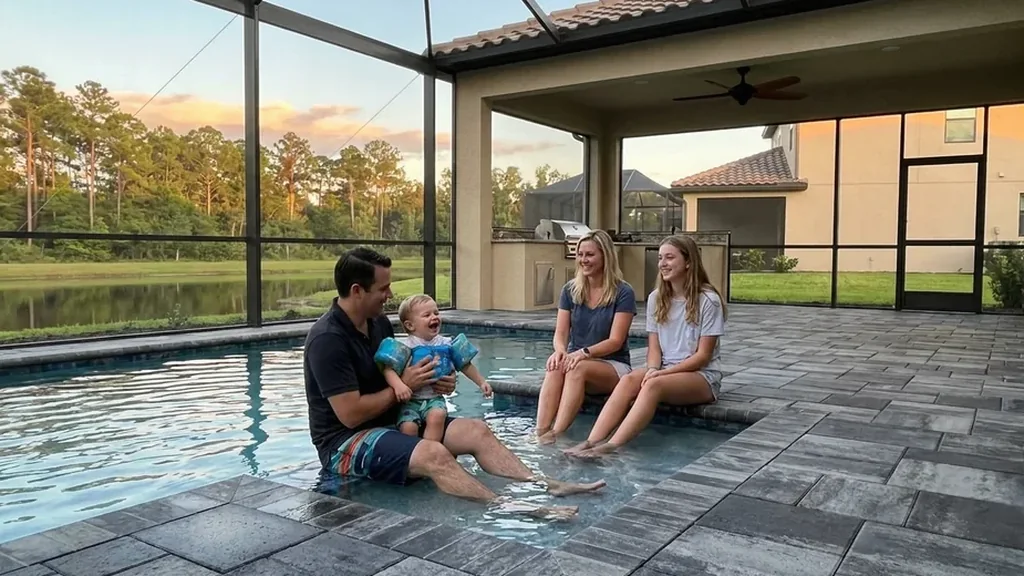
Why hire a local paver sealing contractor in Keystone?
Wells, lakes and long approaches shape every sealing plan on a Keystone lot. A pro who knows all three asks smarter questions, so send the short estimate form and share your setup.
A free walk around
A pro tours your Keystone drive, deck and walks without a fee. You get the price in writing first.
Numbers you can test
Tampa Bay companies list $1.50 to $2.50 per square foot for washing, sanding and sealing. Hold each Keystone bid to it.
A sheen that suits the house
Matte rests quietly beside a ranch front. Wet look adds depth, though scuffs show earlier.
The call is yours
You choose the day, the look and whether to go ahead. Asking for a Keystone estimate commits you to nothing.
Get Your Free Estimate in Keystone
Tell us about your pavers in Keystone.
Free, no obligation
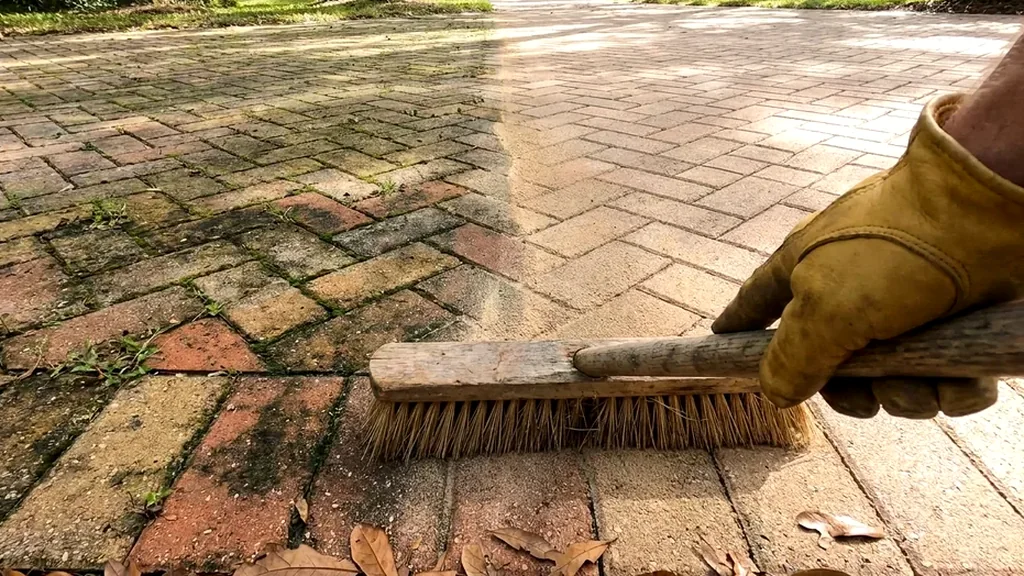
What paver problems show up most in Keystone?
Rust from well irrigation
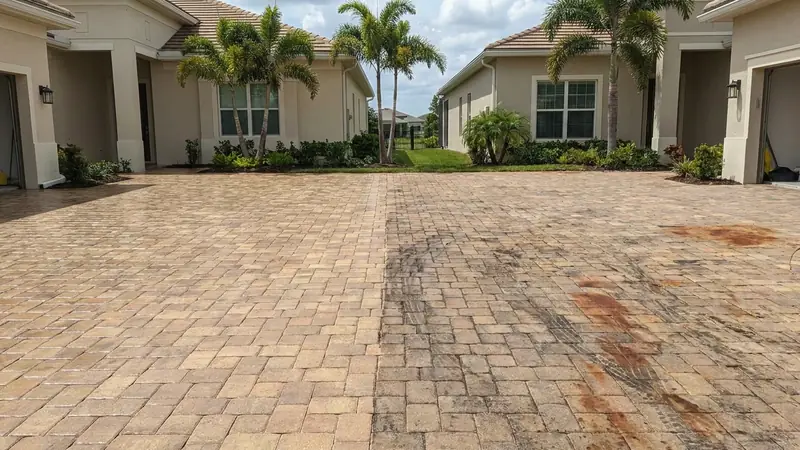
Keystone's community plan states that the area depends on water wells. Extension specialists at the University of Florida say iron is common in Florida well water, and it paints orange streaks wherever it lands. On a big lot the sprinklers often reach the drive edge and the lanai floor. Rust gets treated during the wash, since a coat laid over it would hold it in place. If you irrigate from a well, ask the contractor to look at the pavers beside each head, not only at the worst stain. Fresh marks often hide behind a hedge or a planter. A filter that strips iron from the line stops the pattern at the source and keeps the new coat looking clean.
Wet ground near lakes and wetlands
Water covers about a tenth of the Keystone area, and the plan celebrates its many lakes and wetlands. Stone close to that water stays soggy after a storm. Algae moves in first along shaded edges, as a green or black film. It has to be scrubbed off before sealing, or the coat traps it. Lakeside patios gather leaves and pollen, which hold water against the stone like a wet blanket. Sweeping weekly is simple and helps the surface breathe. A coat on clean, dry stone also sheds water better, which slows the film from forming.
A long drive means more of everything
Many Keystone drives run well past the garage, and each foot takes sun, tires and rain. Tire lanes dull first while the lawn side turns green. A Tampa Bay firm notes small jobs cost more per square foot, so a big drive spreads the setup cost over more stone. Uneven wear also shows plainly over a long run. Boat trailers, utility trailers and the family truck all put point loads on the same strip of pavers. Those strips settle first, and the seams beside them open up. The contractor can mark any dip before sealing, because a coat laid over a low spot preserves it.
Sand slipping out of the seams
Florida's state soil is sandy, and its natural water table can climb within 10 inches of the surface for months. Storms roll in most afternoons from late May to early October. Water slips through sandy ground fast and carries joint sand along. Topping up the sand now costs less than lifting and relaying stone later. Joint sand is the cheapest part of the job and the first thing to disappear on a long, sloped drive. Water runs the length of the slope and carries sand to the bottom. Expect the lowest few feet to need the most refilling.
Drives from the 2000s building boom
Keystone grew from 14,627 people in 2000 to 24,039 in 2010, so plenty of drives are now fifteen to twenty-five years old. First coats may be thin or gone. Some owners resealed with a product nobody wrote down. A water-based product cannot cover a solvent-based coat, so the old one gets named first. Homes that went up in the fast-growing 2000s often have builder-grade first coats, if any. A visit to read the surface tells you whether the stone still repels water. Beading means a coat remains, and soaking means it is gone.
Does a bigger Keystone lot change the way pavers get sealed?
It does, because lot size sets the paving area and how far the crew hauls gear. Keystone covers about 39 square miles, and the community plan keeps rural roads at two lanes. A long approach means more drive to wash and more sand to sweep. Mention your lot size when you send the short estimate form.
Hillsborough County's northwest corner is where Keystone sits. Westchase is to the south, Cheval and Northdale to the east, East Lake across the Pinellas line, and Trinity and Odessa just north in Pasco. Homes in all of them share lakes, wells and sandy ground. Call (656) 254-5347 and give your cross streets so the pro can place your lot.
Odessa next door was once ranching and horse land, and the Mobley family settled Keystone in the 1800s. Lake homes and ranches now sit among newer subdivisions served by Steinbrenner High School. Older homes and newer ones often carry different paver patterns and different coats. Tell the pro roughly when your house went up, then send the short estimate form.
The plan area is bordered by Pinellas County on the west, Pasco County on the north, Dale Mabry Highway on the east and the Urban Service Area boundary on the south. Inside it, lakes, wetlands and large lots set the pace of life, and the plan prizes dark, star-filled skies over bright lights. Quiet nights suit early sealing starts, since there are few neighbors to disturb. If that sounds like your road, send the short estimate form.
What does paver sealing cost in Keystone?
Companies across Tampa Bay list $1.50 to $2.50 per square foot for washing, re-sanding and sealing. A long, wide Keystone drive can total more than a short town driveway at the same rate. Rust, algae and missing sand move your price within that band. For a figure on your pavers, send the short estimate form and ask for the measured area in writing.
One Tampa Bay company says surface condition, repairs, access and sealer choice drive price more than the stone does. A pool deck behind a screen cage means hand carrying that a front walk skips. Wet look uses more sealer solids than matte. Phone (656) 254-5347 and the pro can sort out which of these fit your lot.
Ranch-style properties often add a second paved area, such as a barn apron, a guest parking pad or a boat turnaround. Each one is its own line on the estimate, and each has its own sun and shade. Gate width and turn radius decide whether equipment arrives on a truck or by hand. Phone (656) 254-5347 and list every paved area you would like on the quote.
| Paved area | Typical example | Clean, sand and seal |
|---|---|---|
| 300 sq ft | Small patio or walkway | $450 to $750 |
| 600 sq ft | Two car driveway | $900 to $1,500 |
| 1,000 sq ft | Large driveway or pool deck | $1,500 to $2,500 |
| 1,500 sq ft | Driveway plus pool deck | $2,250 to $3,750 |
Math based on the $1.50 to $2.50 per square foot that Tampa Bay paver companies publish. Your contractor sets the actual price after seeing the surface. Repairs, leveling and stripping failed sealer are usually extra.
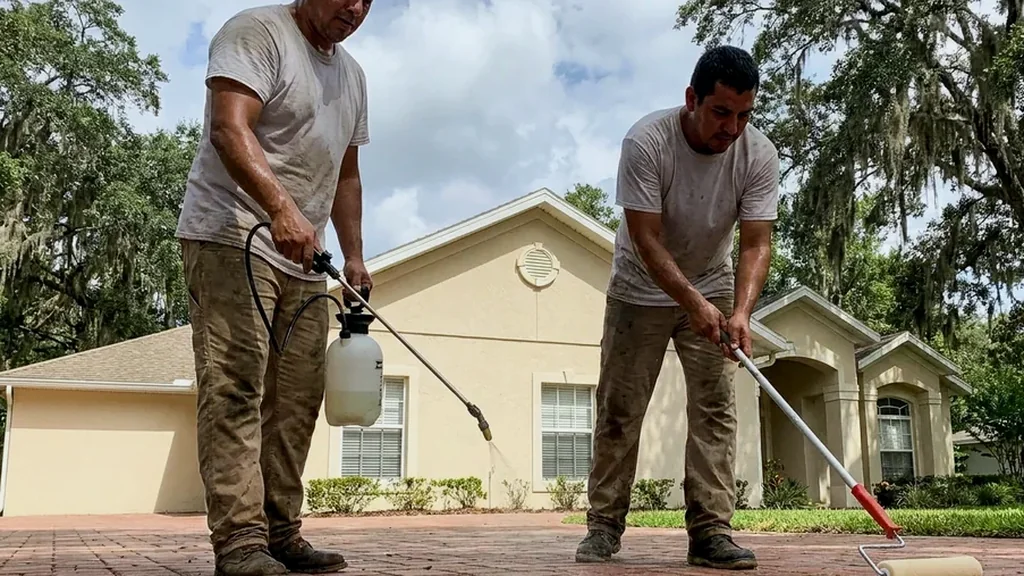
How does a paver sealing job work in Keystone?
Walk the lot and read the water
The pro starts with a slow lap of the drive, deck and walks. Notes track where water pools, where the lake side stays damp and where sprinklers hit stone. A solvent coat from an earlier owner would rule out a water-based product. That answer comes before any washing. If a gate, a cattle guard or a narrow turn limits where trucks can park, mention it when you book. Equipment access shapes the plan on a big lot.
Scrub off algae, rust and tire marks
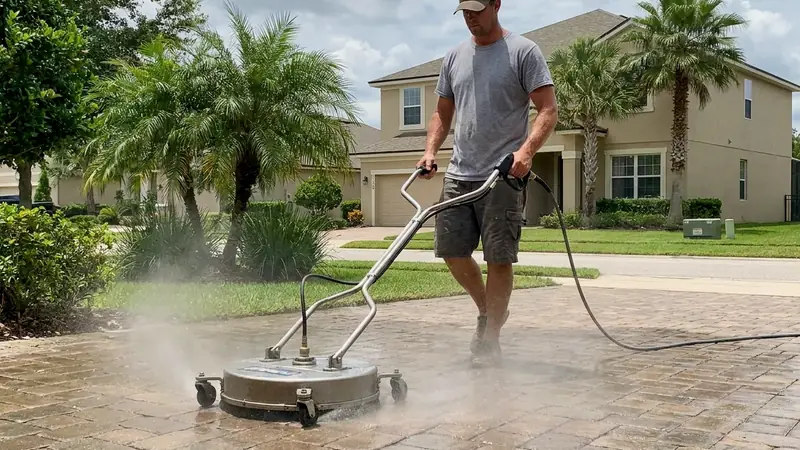
The wash lifts green film near the water and dark tire lanes by the garage. Rust arcs from well water get their own treatment. Runoff stays off lawn beds and lakeside plants. Sealer only touches clean stone. The pro washes in lanes from the house toward the road, which keeps dirty water moving downhill and away from the clean stone. Plants near the lake are watered ahead of time so they are not stressed by runoff.
Refill the seams with sand
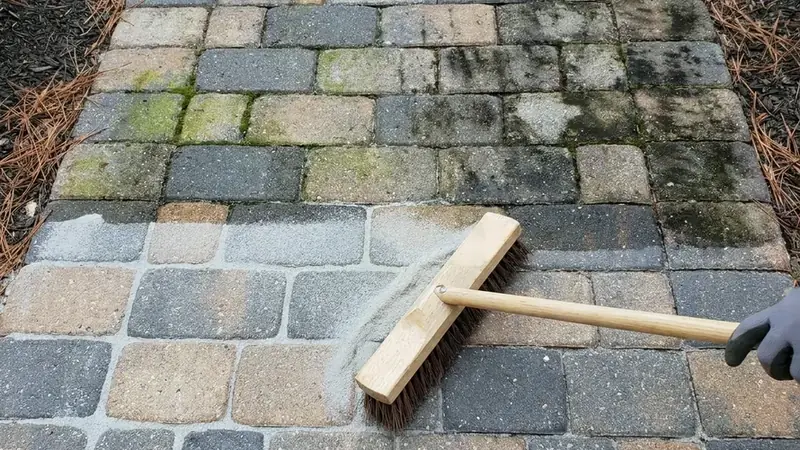
The wash strips joint sand, so fresh sand goes in before any coat. On this sandy ground, open seams let weeds in and let pavers drift. An Oldsmar company says activated polymeric sand stands up to rainwater washing. On a long drive the pro may fill twice, since the first pass settles. Sand goes in dry, gets swept, and is then set with a mist. On a long drive the crew works in sections, so the top layer does not dry unevenly in the sun.
Give the stone time to dry
Sealer wants dry stone, and storms are common from late May to early October. Pavers near a lake or under oaks dry slowly. A patient pro holds off instead of sealing damp pavers. A long drive may be done in sections so each part dries evenly. A quick pass with a moisture check near the lake side tells the pro when it is safe to start. Cloud cover, dew and wind all change the answer.
Seal it and set the stay-off times
The coat goes on evenly from one end of the drive to the other. Wet look deepens color, and scuffs show sooner than on matte. An Oldsmar company allows feet after 24 hours and cars after 48. Most quotes for the time between coats run two to five years. A last walk along the whole drive, from garage to mailbox, catches any missed corner. The pro marks the stay-off window on your phone or a note, so the family knows when the car can return.
Complete paver services in Keystone
A Keystone job runs in four stages: wash, re-sand, dry, seal. The wash handles algae, rust and tire marks, and fresh sand follows. The coat goes on last so no dirt sits under it. Call (656) 254-5347 to hear how long each stage takes on your lot.
Long drives, lakeside patios, pool decks and entry walks each wear their own way. Tires and sun beat on the drive, while water and chemicals work on the deck. Shaded walks go green first. Tell the pro which surfaces you want done when you send the short estimate form.
Sealer is water-based or solvent-based, in matte or wet look, and what is on the stone settles the first choice. Matte keeps natural color, while wet look suits faded pavers that need depth. Ask to compare both on a spare corner. Call (656) 254-5347 to talk it through for your home.
Summer storms can shift a date by a day or two. Stone beside a lake dries last, and dry mornings give the longest windows. On a big lot, the pro may seal in sections so each area cures well. send the short estimate form to find a date that suits your calendar and the weather.
Questions to ask before you hire
- How long should I stay off the pavers, and how long before I can pressure wash them again?
- Salt air blows in off the bay. Does that change which sealer you pick?
- Who do I call if a spot looks blotchy a week after the job?
- Will you seal the edges where the pavers meet my lawn and mulch beds?
- Will my pavers get slick or hot underfoot once they are sealed?
- Do you wash at a pressure that keeps the sand in my joints instead of blasting it out?
- Can we start with the driveway and add the lanai or the walkway later?
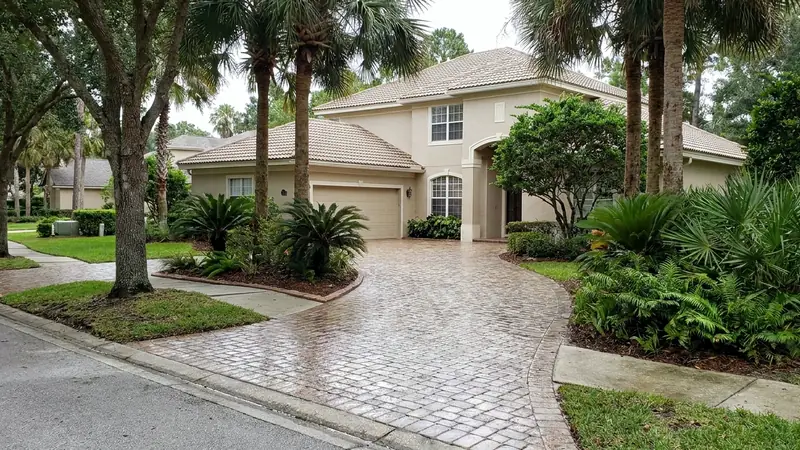
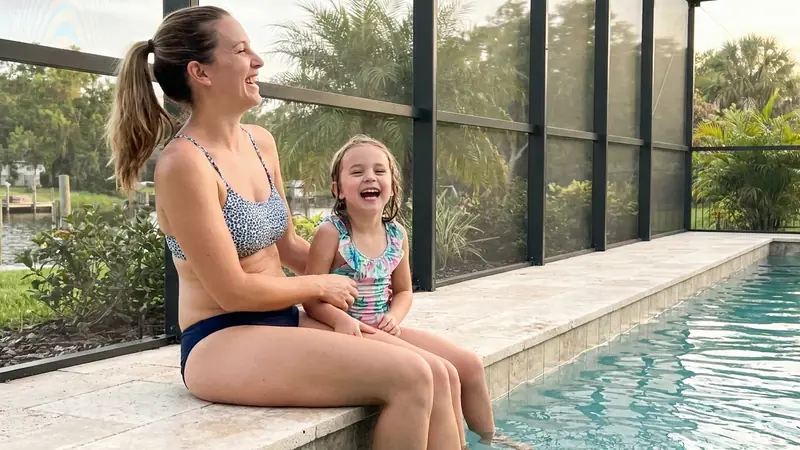
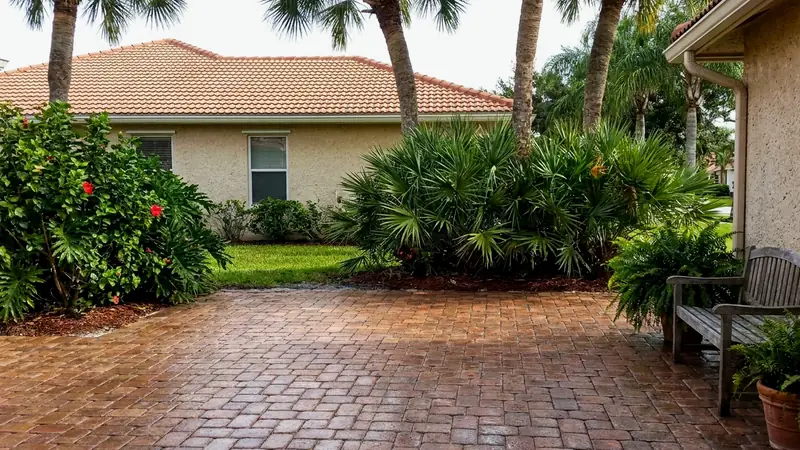
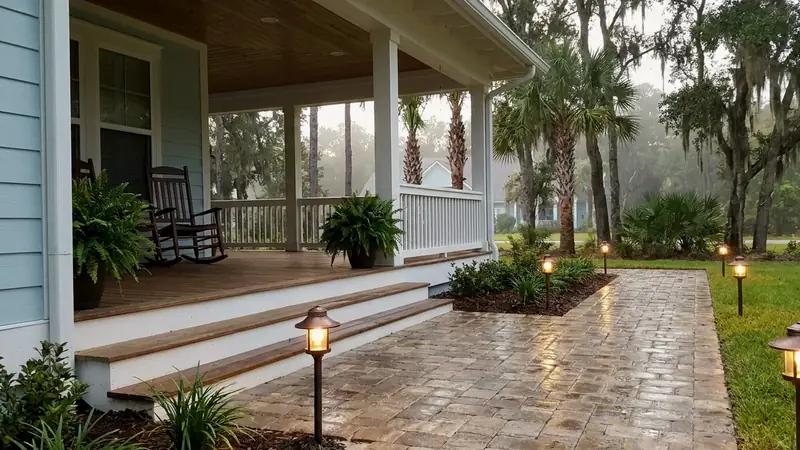
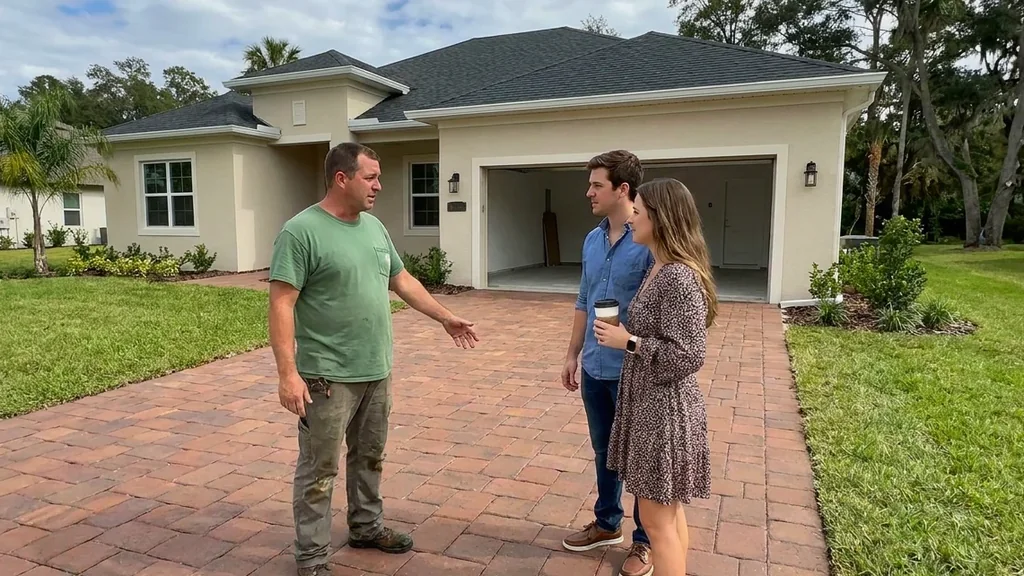
What do sealed pavers look like around Keystone?
Why local matters in Keystone
A pro who knows Keystone asks about your well before anything else. Iron in the water decides how much rust work comes ahead of the sealer. A crew from far away may never think to ask. To reach someone who works Keystone lots, call (656) 254-5347.
Local knowledge covers the ground too. Sandy soil with a rising water table means joint sand leaves faster than most people expect. A pro here builds fresh sand into every job and watches for low spots near lakes. You can send the short estimate form and ask how that fits your lot.
Size matters as well, since Keystone lots can be large. Someone used to long drives plans water, time and sealer for the full run. Finish and date remain your decisions. If you want a plan for your lot, send the short estimate form and say how far the drive runs.
Keystone's rural roads remain two lanes wide under the community plan, so a pro who works the area plans for slower travel and narrow shoulders. That helps with scheduling and with parking on the day. Mention any tight turns or gates when you send the short estimate form.
What makes Keystone different from the towns around it?
Keystone is the northwest corner of Hillsborough County, a mix of lake homes and ranches where citrus and farming once stood. The Mobley family from Savannah settled the area in the mid-1800s. Residents wrote the Keystone-Odessa Community Plan in 2001 and reaffirmed it in 2011 to keep the rural feel. If your drive crosses that kind of land, send the short estimate form.
Steinbrenner High School, Farnell Middle and four elementary schools serve local families. Dale Mabry Highway marks the eastern edge of the plan area, and the Pinellas County line lies to the west. Cheval, Westchase and Trinity are close neighbors. Phone (656) 254-5347 from any of those places and say which road you are on.
About 13 percent of Keystone's residents lived in rural areas in 2020, and the CDP stands at an elevation of 46 feet. ZIP codes 33556 and 33558 cover the area. Those two codes come up when scheduling, so it helps to give the contractor your cross streets as well. Ring (656) 254-5347 and tell the pro which road leads to your drive.
Frequently Asked Questions
What is the average cost to seal pavers in Keystone?
Tampa Bay companies list $1.50 to $2.50 per square foot for the wash, new sand and coat. A long Keystone drive adds square feet, and rust, algae and lost sand push the price within the range. Ask for the measured area on the written estimate so bids compare fairly. Bigger lots may price lower per square foot once the setup is spread across the full drive.
What is the average price for paver sealing in Florida?
Around Tampa Bay, the published rate runs $1.50 to $2.50 per square foot. One Tampa Bay firm notes that small jobs cost more per square foot because travel and setup are spread over less area. A larger Keystone drive may spread that cost out. Ask what the quote covers. An older drive with several repairs can run higher than one laid in a single phase.
What are the downsides of sealing pavers?
The main downsides are upkeep and timing. A coat wears down and needs renewing within two to five years, and wet look scuffs show sooner than matte scuffs. Sealer also needs a dry surface, which can move a Keystone job by a day or two in summer rain. A coat that has not been renewed gives out first in the tire lanes, where the surface is thinnest.
How much does it cost to seal outdoor pavers in Keystone?
The same published rate holds for decks and walks, at $1.50 to $2.50 per square foot for the full job. Pool decks, patios and walks are measured along with the driveway. Condition, repairs and access move the final number. A free estimate shows the total first. Ask for the stay-off time in writing as well, since a ranch property may have trucks coming and going.
How often should homeowners in Keystone reseal pavers?
Companies describe two to five years as the usual gap between coats. One Tampa Bay company puts the usual reseal interval at 3 to 5 years. Sunny long drives and pool decks lean toward the short end. Ask the pro to note the coat date. If your drive runs through shade and then sun, note both, since each end ages differently.
Which sealer is right for Keystone pavers?
That depends on the look you want and the coat already there. Matte leaves the stone's own color, and wet look makes it richer. A water-based product cannot cover a solvent-based one, so the old coat may choose for you. Have a small test patch done first, then decide on the full job. A spare corner by the garage is a good place for a test patch, because it sees the same sun as the main drive.
Can well water stain my Keystone pavers?
Yes, orange streaks are common where iron-rich irrigation lands. The community plan says Keystone depends on water wells, and University of Florida extension says most Florida well water is high in iron. Treat those stains in the wash, because sealer would trap them. If your well already has a filter, tell the pro, since the iron load may be lower than average.
How soon can I drive on a freshly sealed Keystone driveway?
An Oldsmar company allows feet after 24 hours and cars after 48. Another Tampa Bay company says to allow 48 to 72 hours for vehicles. Rain and shade can add time, so ask your pro for the exact stay-off window. Ranch gates, ruts and soft shoulders can complicate parking, so plan where the cars will wait.
Nearby areas we serve
Ready for a Free Estimate in Keystone?
Call (656) 254-5347 and tell us about your pavers.
Free, no obligation