
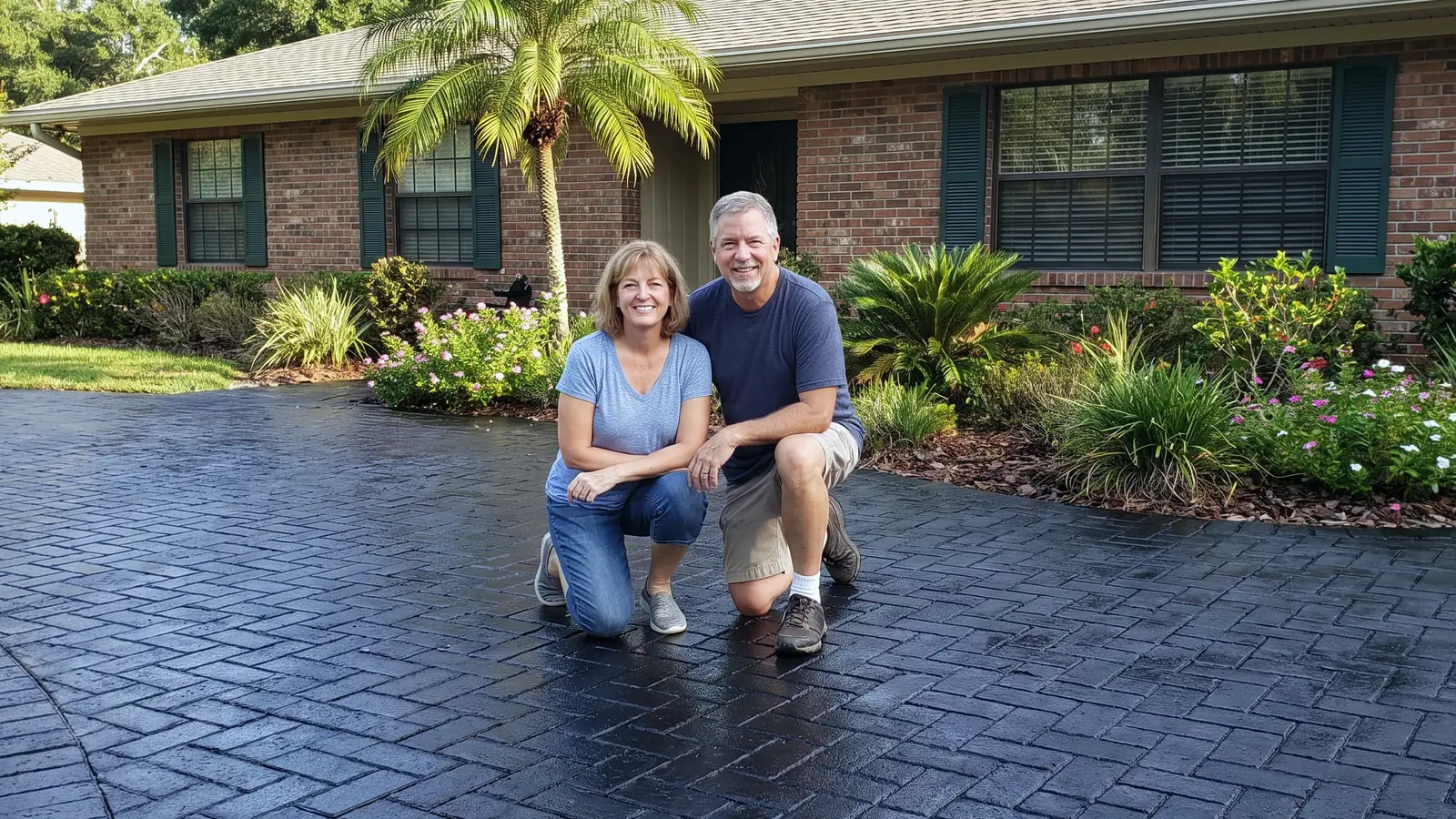
Paver sealing for Pinellas Park homes
Paver Sealing in Pinellas Park, FL
Pinellas Park sits flat and low on its drainage canals, so call (656) 254-5347 for a free paver sealing estimate.
- Brings out deeper paver color
- Fresh joint sand helps lock pavers in place
- Gives weeds less room to grow
- Makes the surface easier to keep clean
- Free estimate, no obligation
Request a Free Estimate
Free, no obligation.
Fast, careful paver sealing in Pinellas Park
Paver sealing is available in Pinellas Park, and the first step is a free estimate from a local contractor. Call (656) 254-5347 for a look at your driveway, pool deck or walkway. A reply reaches you within 1 business day, often much sooner than that.
Imagine the driveway after a week of summer storms. The joints sit low, a gray film covers the shaded edge and weeds have started along the curb. A wash, fresh sand and a new coat can turn that around in a day or two and bring back one clean color. If you would rather start with a short description, you can send the short estimate form.
Pinellas Park is a city of 53,093 people in the middle of Pinellas County, with a listed elevation of 13 feet. It began as a farm colony and still runs on ditches and canals. A contractor can tell you how that drainage touches your pavers, so call (656) 254-5347.
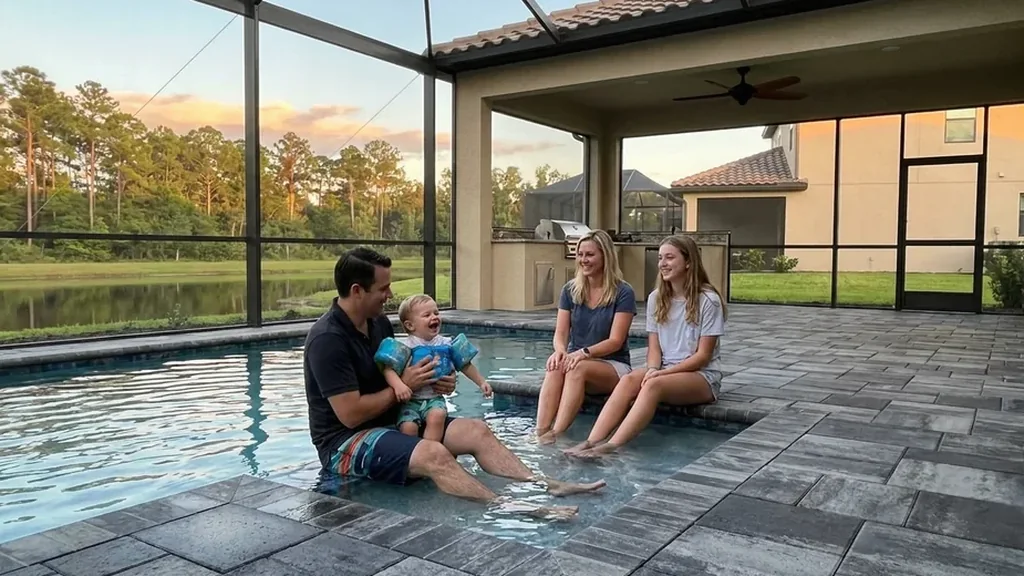
Why hire a local paver sealing contractor in Pinellas Park?
Pinellas Park homeowners hire local because flat land, ditches and heavy summer rain change how long pavers stay wet. To hear how that applies on your street, send the short estimate form.
Look at the lot
A contractor inspects your Pinellas Park pavers at no charge and quotes a price before anything is agreed.
Bids on one yardstick
Companies across Tampa Bay publish $1.50 to $2.50 per square foot to clean, sand and seal. Use it to judge each bid.
Honest timing
Ask how many days the job needs and when cars can return. Weather and drainage on your lot shift the answer.
You stay in charge
Pick the day and the sheen, or walk away. A Pinellas Park estimate carries no strings.
Get Your Free Estimate in Pinellas Park
Tell us about your pavers in Pinellas Park.
Free, no obligation
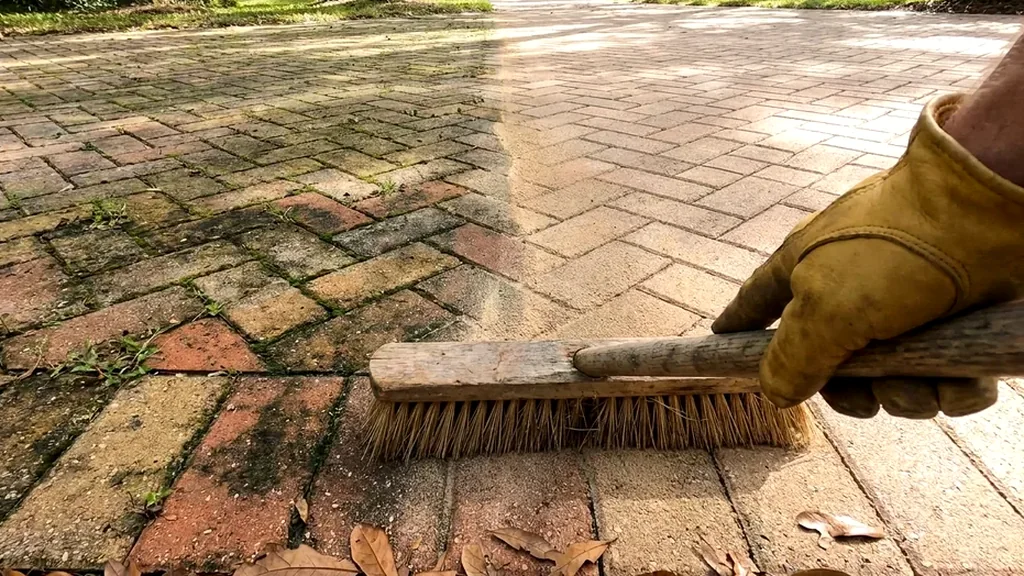
What paver problems show up most in Pinellas Park?
Flat ground that stays wet
Wikipedia says Pinellas Park sits low between major bodies of water on generally flat land, and that it has historically been subject to flooding. Drainage canals have greatly eased that. Even so, a flat driveway drains slowly after a storm, and the listed elevation of 13 feet leaves little slope to help. Water that lingers on pavers feeds green film and washes out joint sand, which is why a contractor checks how your lot sheds water. Look for puddles that stay a day after rain, and for a gray film along the low edge. Both are worth pointing out at the estimate. The Roosevelt Creek watershed covers part of the city. It drops only from about 25 feet at its headwaters to 1 foot near Old Tampa Bay.
A farm town built on drained muck
The city began as a farm colony in 1911 on land that developers called muck, and a drainage district formed in 1914. Dredges cut canals and ditches, and in places removed nearly 18 feet of soil. Pinellas County's soil summary lists Myakka sand as the most common soil, and says 56 percent of the county stays wet for long stretches. Ground like that can keep pavers damp from below. That does not mean sealing is pointless. It means the wash and the drying time deserve more attention than on a hillside lot. A contractor who knows the area plans for it.
Summer rain that empties the joints
The National Weather Service defines the rainy season as May 25 to October 10, with frequent thunderstorms. Heavy summer rain erodes joint sand faster, according to a Tampa Bay paver company. Once sand leaves, joints widen and soil settles in. Weeds follow, and the pavers can start to shift. Check the joints once the first big storm has passed to see if sand is leaving. Low or empty joints along the driveway edge are the first sign, and the easiest thing to describe over the phone. Because the land is flat and low, standing water after a storm can leave a film on the low end of the drive.
Ditches and canals at the edge of the lot
The Pinellas Park Water Management District says homeowners maintain the right-of-way between the ditches and their property line. The district mows ditches twice a year in the growing season and clears only blockages that slow the flow of stormwater. If a swale beside your driveway stays soggy, pavers along that edge stay wet too. Mention it at the estimate, since that edge is where green film and sunken pavers tend to show up first.
Different eras, different pavers
The population of Pinellas Park more than tripled after World War II, and census figures put the median home at a build year of 1978. Driveways and patios from those decades sit beside newer additions. The city's population was about 2,900 in 1950 and about 10,800 in 1960, so many neighborhoods date to that boom. Some pavers have been resanded or sealed before and some never have. Bring any receipts or product names to the estimate, because a test spot can fill in the rest.
Does Pinellas Park's drainage system affect paver sealing?
It can, because the whole city lives on a system of canals and ditches. The Pinellas Park Water Management District, created in 1976, manages the primary stormwater channels across five drainage basins. Lots near a ditch or channel may stay damp longer after rain. Tell the contractor if your yard backs onto one when you send the short estimate form.
Homeowners also have a share of the job. The district says the homeowner maintains the right-of-way between the ditches and the property line. Ditch mowing happens twice a year, during the growing season. A tidy edge helps water leave your driveway, so call (656) 254-5347 if you are unsure where your line sits.
Park Boulevard divides the city into familiar areas, from the historic center near 49th Street to the stores along US 19. The western end sits near 66th Street and Belcher Road. The Roosevelt Creek watershed takes in about 12.6 square miles of the city and nearby neighborhoods. Name your area so the estimate fits your lot, and send the short estimate form.
What does paver sealing cost in Pinellas Park?
Budget between $1.50 and $2.50 per square foot to clean, sand and seal, per the range Tampa Bay companies commonly publish. Where your job lands depends on shade growth, missing joint sand and how long a flat, damp surface needs to dry. Small walkways cost more per square foot, because setup and cleanup stay the same. To price your surfaces, send the short estimate form.
Layout and access matter too. A wide driveway with room to work is simple, while a small courtyard with hand-carried gear takes longer. More pavers cost more in total, even at the same rate. Call (656) 254-5347 and ask which of these factors fit your property.
| Paved area | Typical example | Clean, sand and seal |
|---|---|---|
| 300 sq ft | Small patio or walkway | $450 to $750 |
| 600 sq ft | Two car driveway | $900 to $1,500 |
| 1,000 sq ft | Large driveway or pool deck | $1,500 to $2,500 |
| 1,500 sq ft | Driveway plus pool deck | $2,250 to $3,750 |
Math based on the $1.50 to $2.50 per square foot that Tampa Bay paver companies publish. Your contractor sets the actual price after seeing the surface. Repairs, leveling and stripping failed sealer are usually extra.
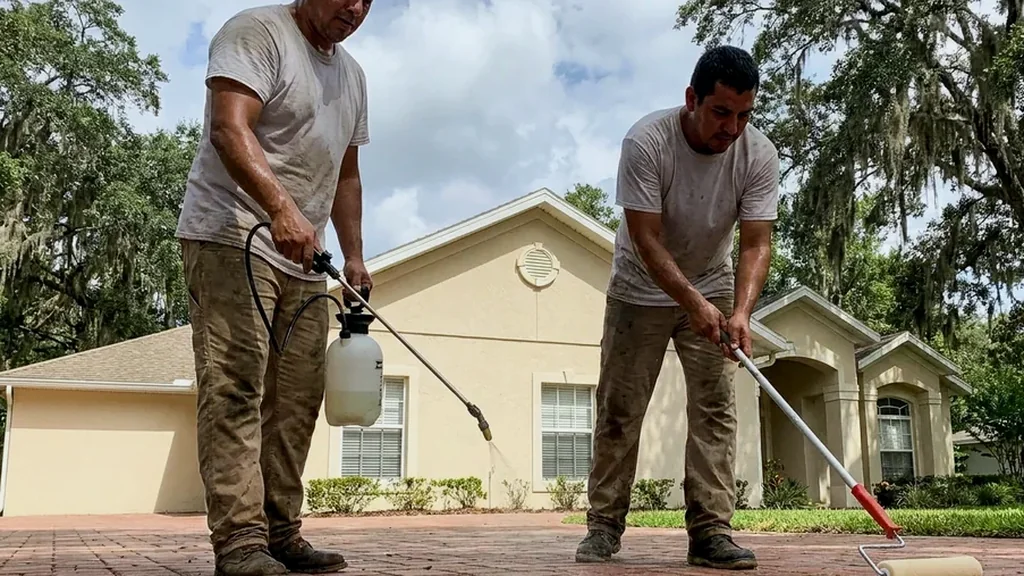
How does a paver sealing job work in Pinellas Park?
Map the drainage
The contractor checks where water sits on your Pinellas Park pavers and how the lot slopes toward the street or a ditch. Low or raised spots are reset first, because a coat locks in whatever shape lies beneath. A past coat matters too, since water-based product will not bond to a solvent-based one. Point out puddle spots, lifted corners and any swale or ditch along the front of the lot.
Strip the film
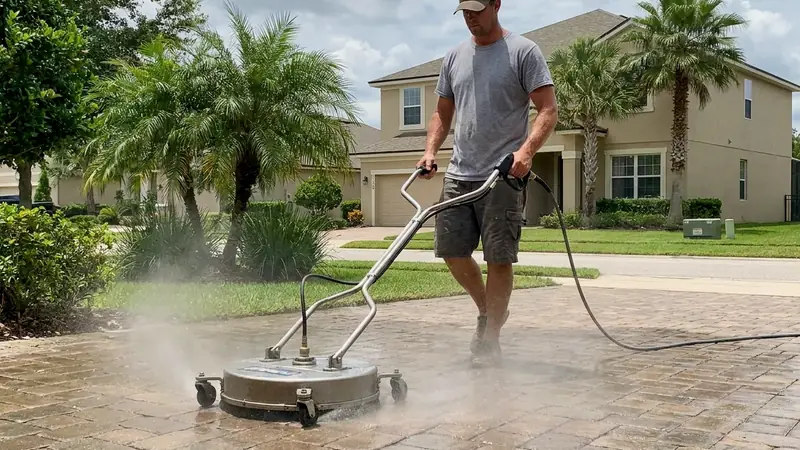
The wash takes off algae, dirt and old residue and ends with a full rinse. Wash water stays out of storm drains, as Pinellas County asks of businesses, which matters in a city of ditches. Rust and oil spots get their own treatment, so mention any you have noticed. Algae from damp, flat ground comes off easily at this stage.
Refill the gaps
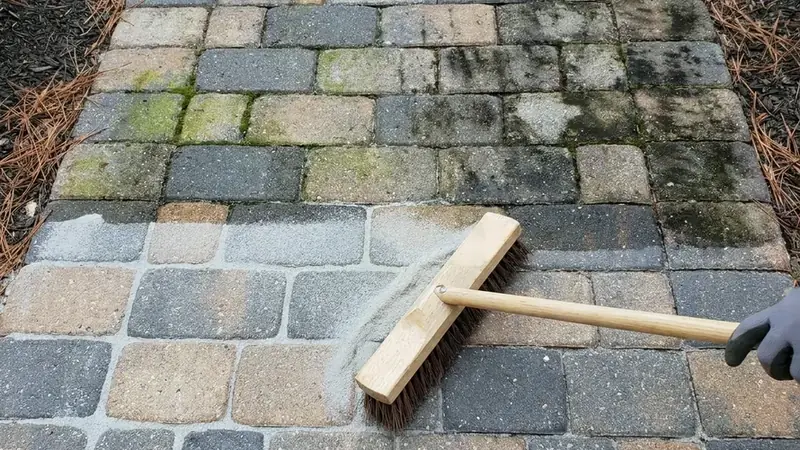
After the wash, the joints are empty and get a fresh fill of sand before the coat. Full joints lock the pavers in place and make weeds work harder. If your joints have run low for years, expect the stage to take longer. The surface is swept clean before sealer comes out. Sand along a ditch edge washes out first, so ask where extra sand goes.
Let flat ground dry
A flat driveway or a shaded patio can take longer to dry after rain than a sloped one. The contractor tests for moisture, then waits for dry weather. A coat over damp pavers can cloud up and hold moisture under it. A day's delay beats redoing a patchy section.
Lay the coat and wait
The sealer goes on in the sheen you picked, often sprayed first and then back-rolled where it sits thick. Sealer laid on thick can turn cloudy or sticky, which is why thin and even is the goal. Ask the contractor how long to stay off the surface, since weather and product change the answer.
Complete paver services in Pinellas Park
In Pinellas Park the work runs as a basin of small decisions: wash, refill, dry, coat. The wash lifts green film and grime, and sand goes back into the gaps. Sealer is last so nothing dirty hides beneath it. To hear how long each part takes on your lot, call (656) 254-5347.
Driveways here carry tires, oil drips and runoff. Pool decks want a finish that grips wet feet, shaded walkways turn green first, and a patio beside a ditch stays damp longer. Entry steps and courtyards share the same prep. Tell the contractor your mix when you send the short estimate form.
Pick a sealer family first, then a look. A solvent coat from a past owner leaves a water-based product nowhere to bond, so the old coat decides. A wet look shows scuffs sooner than matte does. Call (656) 254-5347 to talk through the finish for your home.
The rainy season runs from late May into early October, and flat ground drains slowly. A sloped, sunny drive dries fast, while a flat, shaded patio takes longer. To pick a date that fits the forecast, send the short estimate form.
Questions to ask before you hire
- Salt air blows in off the bay. Does that change which sealer you pick?
- Who do I call if a spot looks blotchy a week after the job?
- Can you tell if a past owner already sealed these pavers, and does that change the plan?
- Will you seal the edges where the pavers meet my lawn and mulch beds?
- How do you handle the weeds and moss growing in the joints before the sealer goes on?
- If I do not like the sheen on a test patch, can we switch products before the full job?
- Do you wash at a pressure that keeps the sand in my joints instead of blasting it out?
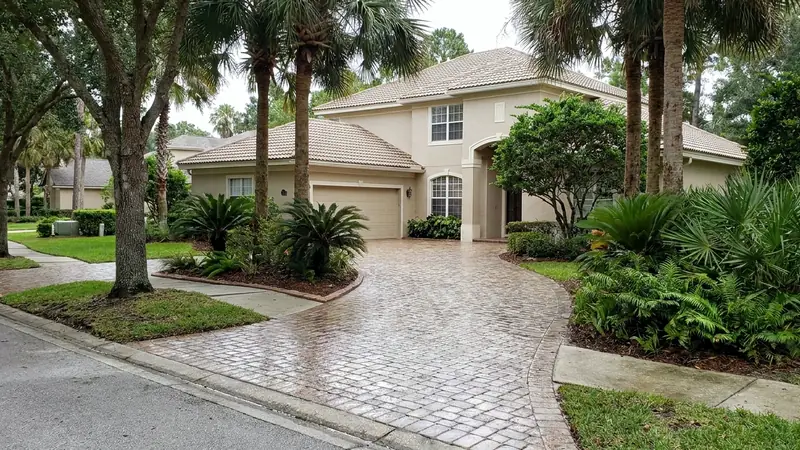
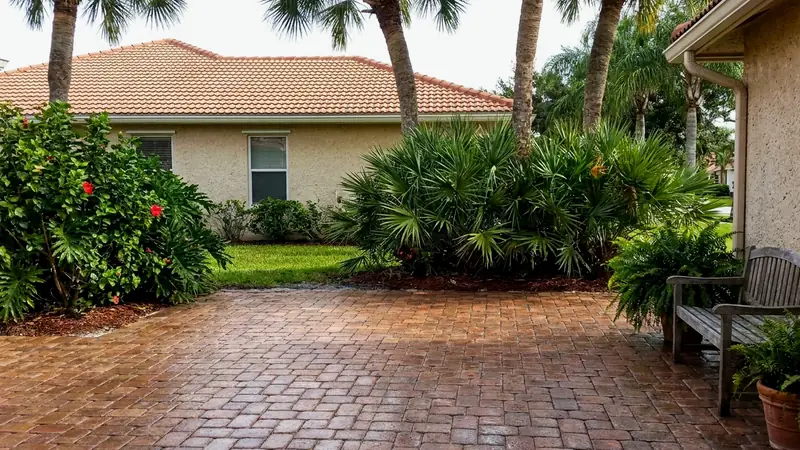
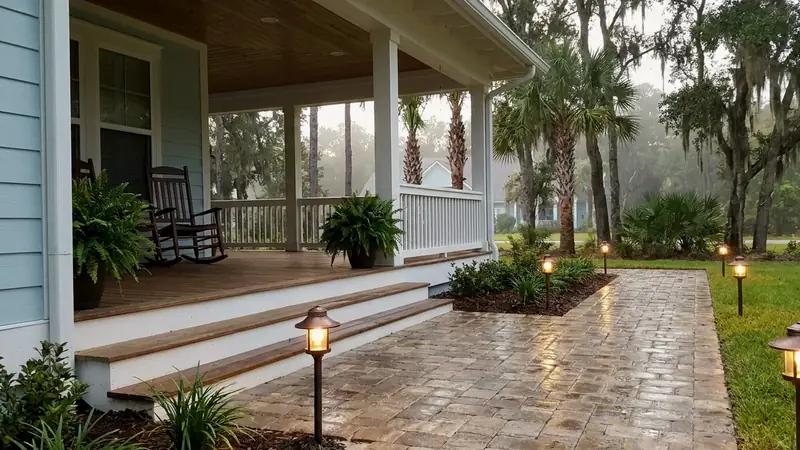
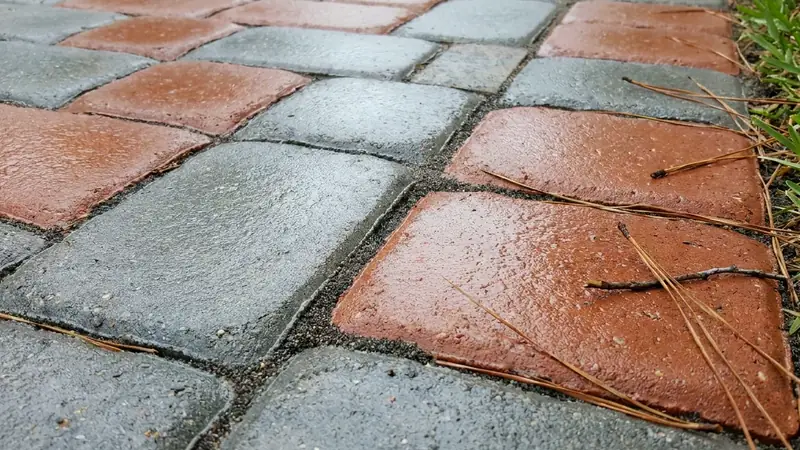
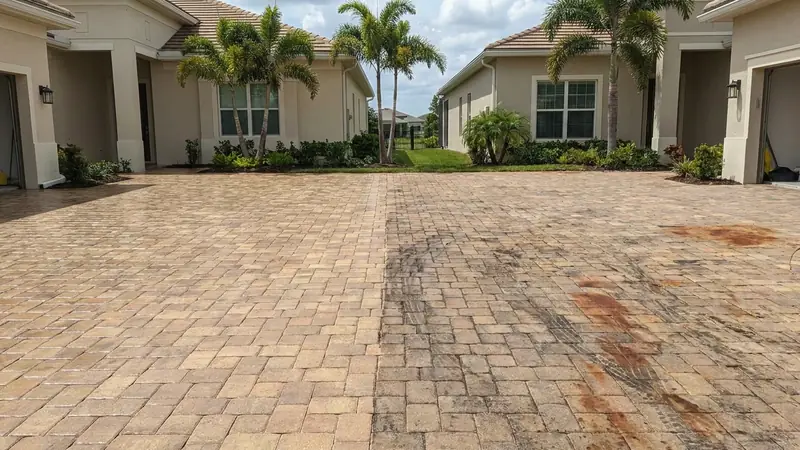
What do sealed pavers look like around Pinellas Park?
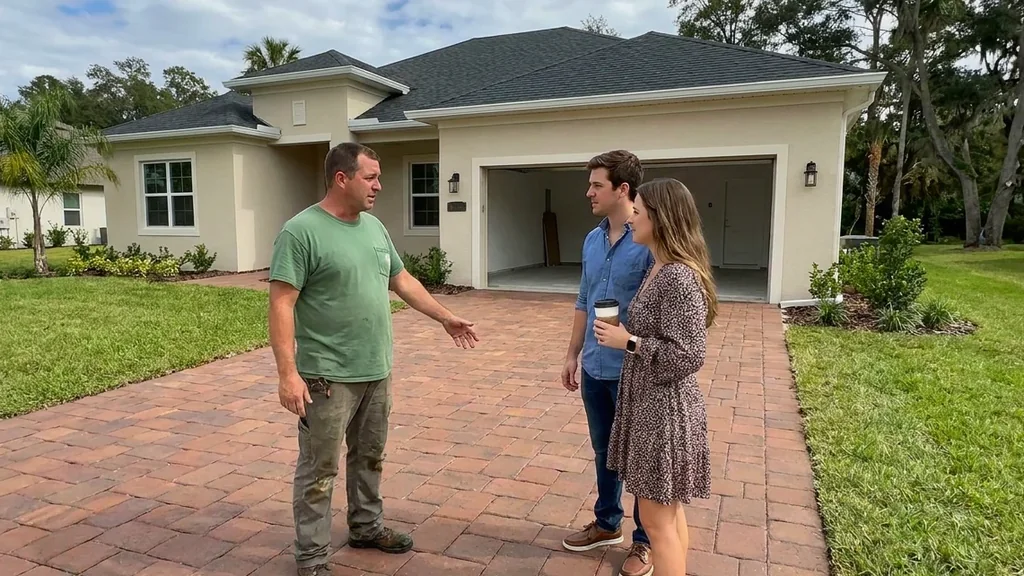
Why local matters in Pinellas Park
Flat ground drains slowly after a storm, and a contractor who works Pinellas Park plans around it. That sets how long to wait before sealing and how to handle wash water near ditches. Someone unfamiliar may rush a job and trap moisture, which shows up later as cloudy patches. To reach a contractor who works the middle of Pinellas County, call (656) 254-5347.
The city's drainage history matters for timing. A water management district created in 1976 still runs the ditches that dried out the muck. A local crew starts early and stops when the sky turns. Ask how the contractor works around summer storms when you send the short estimate form.
Homes here range from lots near Park Boulevard to quieter streets farther out. Local contractors know to ask whether your driveway is tight or has room for equipment. That keeps the estimate honest and helps the crew bring the right gear on the first visit. If you want to hear how it applies to your street, send the short estimate form.
How did Pinellas Park start out, and what did it mean for the land?
It began as a farm colony, and the land was wet from the start. A Philadelphia publisher bought 12,800 acres around 1911 and drew northern buyers with brochures, and the city was incorporated in 1914. Developers called the land muck, and a drainage district of about 14,000 acres formed that same year. If you live near the old center, send the short estimate form.
The same story shows in town today. The City Auditorium has a Mighty Wurlitzer organ, and Country in the Park fills the bandshell behind City Hall each March. The Tampa Bay Automobile Museum, founded in 2005, shows about 90 cars, and the Performing Arts Center seats 500. Near any of these places, call (656) 254-5347.
Frequently Asked Questions
What does it cost to seal pavers in Pinellas Park?
Budget between $1.50 and $2.50 per square foot to clean, sand and seal, per the range Tampa Bay companies commonly publish. Your total depends on size, shade growth and missing sand. Put the square footage in writing so bids can be compared on the same finish and the same number of coats.
Why does the cost to seal pavers differ between Pinellas Park quotes?
Quotes differ because of area, condition and finish. A small job costs more per square foot since setup stays the same, and heavy green growth or low joint sand takes more time. Ask each company what its price includes and what it leaves out, and compare the answers side by side. Pinellas Park lots near ditches may need extra edge work.
How often should a Pinellas Park driveway of pavers get resealed?
Think in terms of two to five years between coats, the span companies commonly quote. The Pinellas company Premier Coatings suggests 2 to 3 years. Flat, damp lots and daily tires point toward the shorter end. Keep the product name from your last job, since it helps the next contractor choose a compatible sealer. Flat, damp ground can bring green film back sooner than a sunny slope does.
How can I tell my Pinellas Park pavers need to be resealed?
Water that no longer beads on the surface is the classic sign. Low joint sand after rain, flat color and stains that are harder to remove are others. If two or more apply, a wash, new sand and a fresh coat are due. Premier Coatings lists the same signs, and checking once a season is a simple habit.
Is it better to spray or roll paver sealer in Pinellas Park?
Many professionals spray first and then back-roll where sealer sits heavy. Spraying gives even coverage on larger areas, and rolling gives control at edges. Sealer laid on thick can turn cloudy or sticky, which is why thin and even is the goal. The sealer label can limit the method, so a good contractor follows it and does not guess. Ask the contractor which method suits your product.
Do Pinellas Park ditch and canal rules affect my driveway?
Possibly, at the edge of the lot. The water management district says homeowners maintain the right-of-way between the ditches and their property line. Keep that strip clear so water can leave your driveway, and mention any standing water at the estimate. The district clears blockages that would slow stormwater, not every weedy edge.
Will sealing help if my Pinellas Park yard stays wet?
It can slow green growth and hold joint sand, but it does not fix drainage. The pavers must be dry before sealing, so a wet spot may mean waiting for a clear window. Point out where water sits so the contractor can plan the timing.
How long before I can drive on freshly sealed pavers?
Light foot traffic is usually fine after a few hours, and cars wait longer, often a day or more. Weather and sealer type change the answer. Get the exact wait in writing and park elsewhere until it passes. Flat, damp lots can stretch that wait after rain.
Can wash water from a Pinellas Park paver job go down the storm drain?
No. Pinellas County's guide for businesses says wash water should not go into the storm drain system and should be taken to a sanitary sewer instead. A contractor on a Pinellas Park job should be able to say where the rinse water goes. Ask before the work starts.
Are Pinellas Park pavers old enough to have been sealed before?
Often. The American Community Survey puts the median year homes were built in Pinellas Park at 1978, so many driveways and patios have had a coat or two by now. A past owner's coat decides which sealer can go on next, so the contractor checks before choosing. An old receipt or can label helps.
Nearby areas we serve
Ready for a Free Estimate in Pinellas Park?
Call (656) 254-5347 and tell us about your pavers.
Free, no obligation